What should a new player do first?
Start with the core loop: catch a creature, finish the fight, decide whether the result is needed, and sell only what is safe to sell. Use that money for equipment that helps with the current quest instead of buying every available upgrade. Local quests and boss objectives, rather than money alone, move progression toward later islands.
The official game description reduces the loop to fishing, killing fish, selling fish, earning money, buying better gear, completing quests, and fighting bosses. It also confirms that later islands contain more dangerous creatures and better equipment. That means a profitable fishing trip can improve your loadout without advancing the active objective, so always read the quest before assuming more money is the answer.
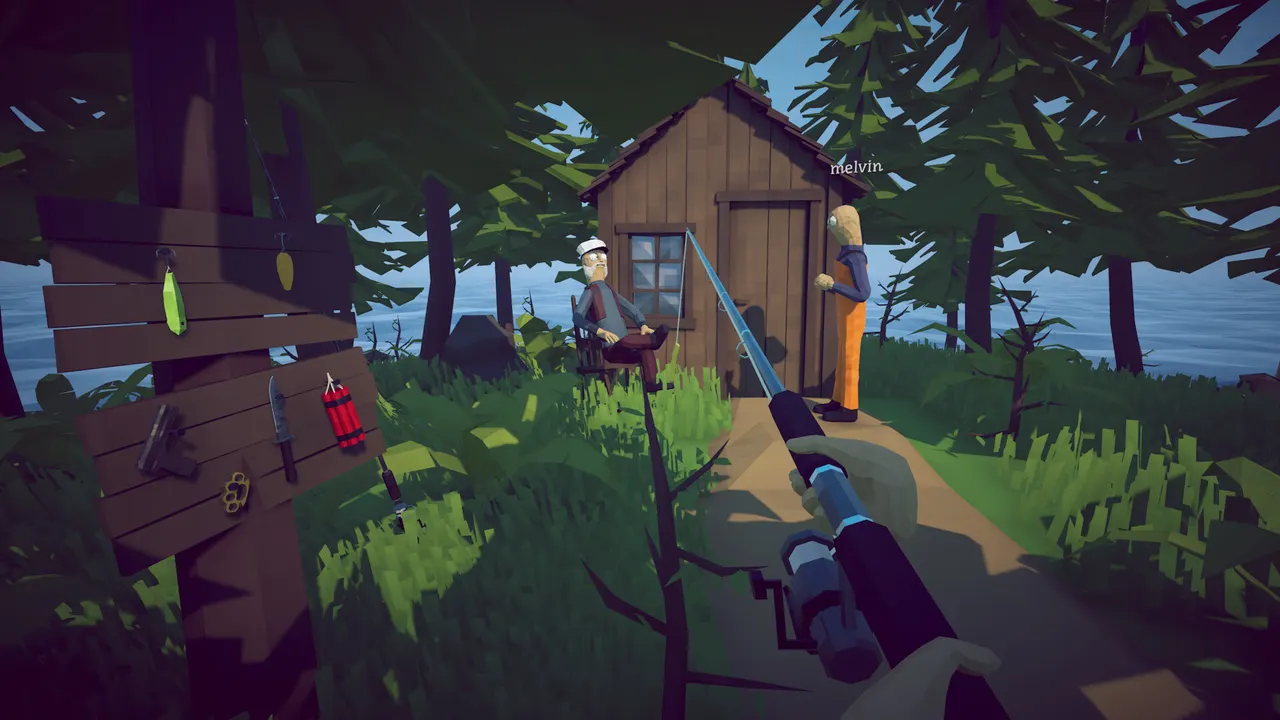
How does catching a fish fit into combat?
Fishing is only the first part of a catch in How to Fish. The supplied material describes creatures being caught, fought, and then sold, while official screenshots show firearms and fishing gear sharing the same loadout. Treat the shoreline as the start of the encounter rather than a guaranteed safe finish.
Secure the catch before standing still or opening another menu. Community guidance notes that seagulls can take fish that have already reached land, and that those birds can also be attacked and sold. The exact timing and value can change, so the useful rule is simply to finish handling one catch before becoming distracted by the next cast.
What should be sold and what should be kept?
Keep unusual quest, boss, collection, or trophy-like items until their purpose is clear. Community walkthrough material warns that a boss can drop an important proof item alongside ordinary pieces, and selling everything immediately may leave the quest incomplete. Complete the hand-in first, then sell the surplus.
Apply the same caution to unusual fish. The official description confirms a collection goal for rare variants, while the supplied walkthrough separates rare variants from another unusual collection category described by players as drip creatures. The exact collection interface and every qualifying appearance are To be confirmed, so check the current in-game label before treating a strange catch as ordinary inventory.
How should money be spent?
Buy the next item that solves a visible problem. A rod or lure should help with the required catch, a weapon should make the current fight manageable, and a recovery option should support the next attempt. Spreading money across several incomplete weapon setups can leave every option weaker than one finished, familiar loadout.
The available material does not provide a stable price list or complete attachment-stat table. Exact shop prices, damage values, and upgrade effects are therefore To be confirmed and should be read from the current game. This page does not turn an old screenshot or a single player’s balance into a permanent recommendation.
How do quests unlock new islands?
Complete the local quest chain and the associated boss objective. The verified game description says quests and bosses drive progress to new islands, while the collected walkthrough warns that fishing or earning money alone may not open the next route. Talk to the available characters and make the next trip answer the active objective.
When progress appears stuck, inspect recent boss drops and revisit the character tied to the quest. For the reported route from Island 2 toward Island 3, players discuss a leech hand-in rather than a money threshold. The exact geometry of the islands is not documented in the supplied map material, so use the Island 3 guide for the confirmed hand-in evidence without relying on an invented route.
How should a first boss attempt be prepared?
Bring a weapon you can control, room to move, and enough attention to identify the unusual drop after the fight. The collected boss material repeatedly favors movement and environmental space over standing still in a damage race. In co-op, decide who collects the quest item and keep that player present for the hand-in.
Different bosses require different bait according to the supplied island tables. Examples include an Empty Beer Can for Spider Crab, Modified Leech for Giant Piranha, and Carrot for Pufferfish. Use the all-bosses guide for the complete collected table, and treat any missing HP or weakness value as To be confirmed.
What are trick shots and rare variants for?
The official store description confirms that trick shots can produce more money and that every different fish has a rare-variant collection goal. Practice any risky finish on a manageable creature rather than on a boss attempt. A quick kill and a higher-value finish are different goals, so choose based on the danger of the encounter.
Do not invent a multiplier for a specific trick shot. The collected material confirms the mechanic but does not provide a complete verified reward formula. Likewise, the chance of finding a rare variant is To be confirmed, and this guide does not claim a percentage that the sources do not supply.
When does gambling make sense?
Gambling exists as part of the verified game loop, but it is not required to understand fishing or quest progression. The supplied Reel of Fortune guide recommends using surplus money, keeping bets small, and protecting funds reserved for equipment. That is risk-management advice, not evidence of favorable odds.
Exact Reel of Fortune probabilities, payout tables, and skin rewards are To be confirmed. If the result screen fails to display correctly, players have separately reported missing gambling textures, but no universal cause is confirmed. Read the Reel of Fortune guide before risking money that the next quest needs.
How does multiplayer change the beginner route?
The official Steam page describes How to Fish as a 1–4 player physics-based fishing simulator with online co-op. The same fishing, selling, quest, boss, and island progression still matters in a group. More players can share combat pressure, but scattered physics objects and separate inventories make important drops easier to lose track of.
Choose a host, match game versions, and say who picked up the quest item. Native eight-player support is not advertised by the official page; a separate community mod targets that capacity. See the multiplayer guide for the official limit and the more-players mod guide for the modded distinction.
What should the first few sessions accomplish?
Aim to understand one complete cycle instead of rushing toward an unsupported end-game build. Learn how a cast becomes a fight, how a catch becomes money or collection progress, and how a local quest becomes an island unlock. Keep notes when the current build shows a price, control, or objective that this source set cannot verify.
- Read the active quest before leaving the current character.
- Catch and finish one manageable creature safely.
- Keep unusual items and sell confirmed surplus catches.
- Buy one upgrade that answers the next objective.
- Prepare movement space and item ownership before a boss.
- Complete the hand-in before starting an unrelated money run.

How to Fish tips the game does not explain
What information still needs confirmation?
Exact controls by input device, shop prices, weapon damage, rare-variant rates, trick-shot multipliers, and the current game version are To be confirmed. The supplied sources establish the shape of the progression loop but not a permanent balance sheet. Check the value visible in your own game whenever a number would change a purchase or route decision.
This distinction keeps the guide useful after patches. Stable mechanics remain direct, community observations stay qualified, and missing values are not filled with guesses. If the active objective still does not move, check the latest updates rather than discarding rare items or restarting immediately.
Was this guide helpful?
Let us know if we can improve this guide.
Thanks for the feedback!